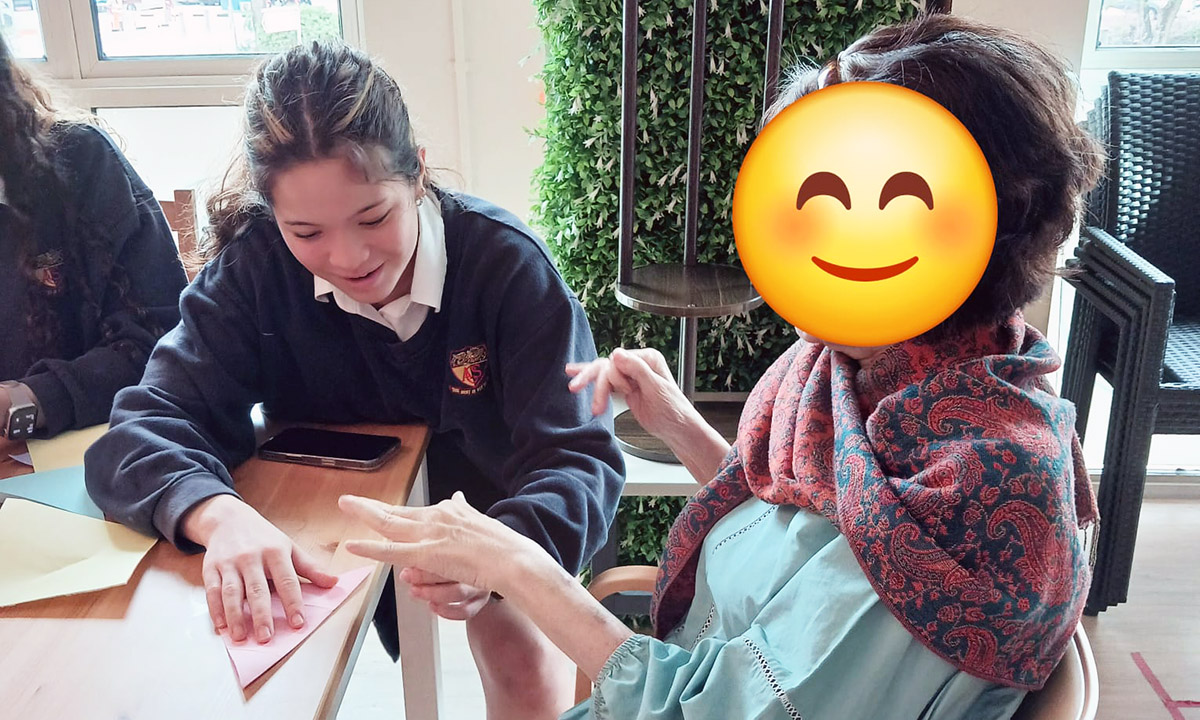
What Is Person-Centered Care and Why Does It Matter?
Person-centered care (PCC) is a healthcare approach that places the individual at the heart of all care decisions, focusing on their unique needs, preferences, values, and life experiences. Rather than following a one-size-fits-all medical model, this philosophy, followed by Hovi Care, treats each person as a whole human being with distinct circumstances, relationships, and personal history that shape their care needs.
This approach matters profoundly in elderly care and dementia care because older adults often face complex, interconnected health challenges that extend far beyond medical symptoms.
Core Principles That Define Person-Centered Care
The foundation of person-centered care, which Hovi Care follows, rests on several interconnected principles that guide every interaction and decision. Understanding these core elements helps distinguish genuine person-centered approaches from conventional care models that may claim to be individualized care but lack true personalization.
Respect for Individual Autonomy and Choice
True person-centered care honors each individual’s right to make decisions about their own life and care, even when cognitive abilities are compromised. This means offering meaningful choices in daily routines, from meal preferences to activity participation.
Comprehensive Understanding of the Whole Person
Holistic care extends beyond medical conditions to encompass life history, cultural background, spiritual beliefs, and personal relationships. Effective care planning incorporates knowledge of the person’s former career, hobbies, family dynamics, and values. This comprehensive understanding enables caregivers to provide support that feels natural and meaningful to the individual.
Collaborative Partnership in Care Decisions
Person-centered care transforms the traditional caregiver-patient dynamic into a collaborative partnership. Family members, the individual receiving care, and professional caregivers work together to develop care strategies that align with the person’s goals and preferences.
How Person-Centered Care Transforms Daily Care Experiences
Individualized care fundamentally changes how daily activities unfold, creating experiences that feel natural and respectful rather than institutional or impersonal. These transformations occur in both subtle interactions and major care decisions, collectively creating an environment in which individuals maintain their sense of self and personal agency.
In practical terms, person-centered care might mean adjusting mealtimes to match someone’s lifelong eating patterns rather than rigid institutional schedules. For a former teacher who always woke early to prepare for school, maintaining an early-morning routine with meaningful activities honors their natural rhythms.
Communication That Honors Individual Preferences
Communication transforms when caregivers understand personal communication styles, cultural backgrounds, and individual sensitivities. Some individuals prefer direct, straightforward conversations, while others respond better to gentle, indirect approaches. Person-centered care adapts communication methods to match each person’s comfort level and ability to understand.
Environmental Adaptations That Reflect Personal Identity
Living spaces become extensions of personal identity rather than generic care environments. This might involve displaying meaningful photographs, playing preferred music, or arranging furniture to accommodate specific mobility needs and memory-friendly design. These environmental considerations support both physical well-being and emotional security.
Recognizing Quality Person-Centered Care in Action
Identifying authentic person-centered care requires looking beyond surface-level personalization to observe deeper indicators of respect, individualization, and dignity in care. Quality person-centered care reveals itself through consistent patterns of behavior and systematic approaches that prioritize individual needs over institutional convenience.
Genuine person-centered care becomes evident when caregivers demonstrate detailed knowledge of each person’s preferences, history, and current needs. You might observe staff members engaging individuals in conversations about their past experiences, adjusting their communication style based on the person’s cognitive abilities.
Consistent Implementation Across All Care Aspects
Quality person-centered care appears consistently across all interactions, not just during planned activities or family visits. This includes respectful assistance with personal care, meaningful engagement during routine tasks, and recognition of the individual’s emotional and social needs throughout the day. Caregivers should demonstrate familiarity with each person’s unique care philosophy and adapt their approach accordingly.
Active Family and Individual Involvement
Effective person-centered care (PCC) actively involves both the individual receiving care and their family members in ongoing care planning and decision-making processes. Regular care plan reviews should incorporate feedback from all stakeholders and demonstrate flexibility in adjusting approaches based on changing needs or preferences.
Frequently Asked Questions
How can families transition from traditional care to a person-centered approach at home?
Start by creating a detailed personal history document that includes your loved one’s preferences, routines, hobbies, and values. Gradually adjust daily schedules to match their natural rhythms rather than convenience. Involve them in decisions whenever possible, even if choices need to be simplified, and focus on maintaining familiar activities that bring them joy and comfort.
How can person-centered care be maintained when cognitive abilities decline significantly?
Focus on emotional and sensory connections rather than verbal communication. Use familiar music, photos, textures, or scents that evoke positive memories. Follow memory-friendly design approach. Maintain consistent routines that provide comfort and observe non-verbal cues to understand preferences. Even with advanced cognitive decline, individuals can still experience dignity, comfort, and connection through thoughtful, personalized approaches.
Is person-centered care more expensive than traditional care approaches?
While person-centered care may require more initial planning time, it often reduces costs long-term by decreasing behavioral issues, medication needs, and staff turnover. The key is finding providers who have integrated person-centered practices into their standard operations rather than treating it as an expensive add-on service.
What are the biggest mistakes families make when trying to implement person-centered care?
Common mistakes include assuming what someone wants without asking, maintaining rigid routines for caregiver convenience, and focusing only on safety while ignoring quality of life. Avoid making all decisions for your loved one and instead offer meaningful choices. Also, don’t expect immediate perfect implementation – person-centered care is an ongoing process that requires patience and adjustment.